
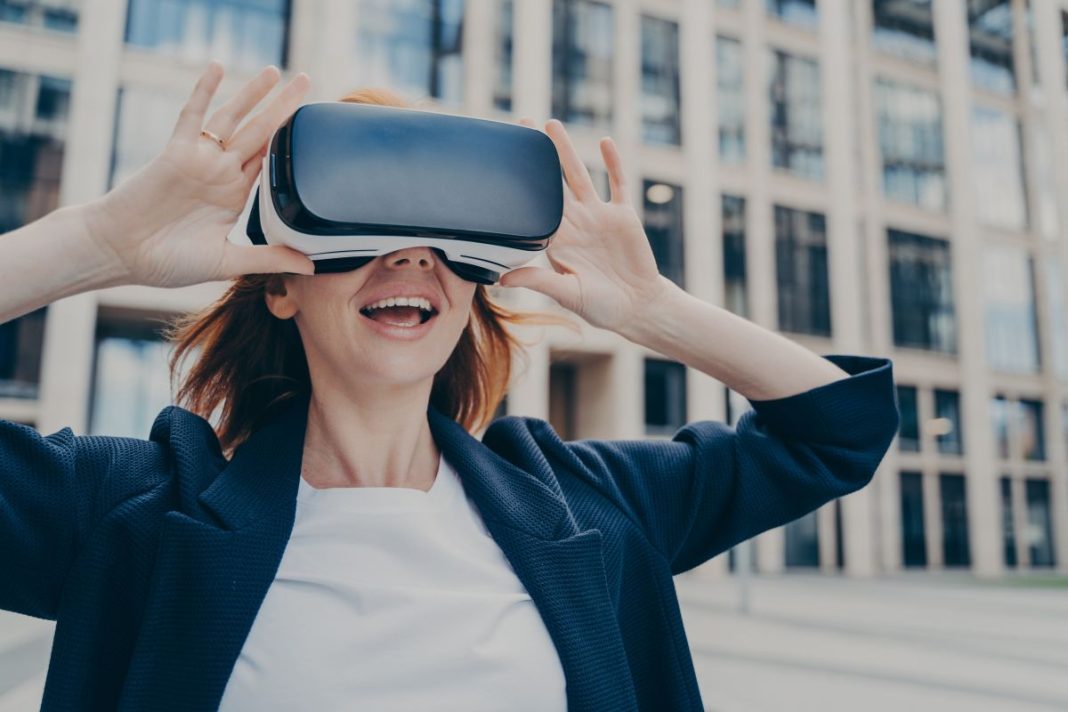

VR oznacza wirtualną rzeczywistość. Ta zaawansowana technologia zmieniła sposób, w jaki żyjemy, pracujemy i bawimy się. Doświadczenia te nie ograniczają się do zestawów słuchawkowych. Opracowywane są także inne technologie, w tym VR bez zestawu słuchawkowego. Czytaj dalej, aby dowiedzieć się więcej o zaletach i wadach VR, możliwościach uzależnienia i zagrożeniach dla zdrowia. Oto kilka przykładów zastosowań tej technologii. Poniżej wymieniono kilka najbardziej fascynujących z nich.
Wirtualna rzeczywistość
Pojawienie się zestawów słuchawkowych VR wywołało ogromną falę zainteresowania. Jednak największe korporacje, takie jak Google i BBC, wycofały się z dużych projektów VR, podczas gdy firma Sony sprzedała kilka milionów zestawów słuchawkowych VR. Pomimo szumu, technologia ta raczej nie zrewolucjonizuje naszego życia i prawdopodobnie pozostanie niszowa. Niemniej jednak VR ma zastosowanie w wielu innych dziedzinach, takich jak medycyna, architektura i nauka. Oto kilka sposobów, w jaki może ona przynieść korzyści społeczeństwu.
Wiele osób pragnie od czasu do czasu uciec od rzeczywistości. Ze względu na obowiązki społeczne są oni przywiązani do swoich domów. VR pozwala im jednak zwiedzać określone miejsce bez wychodzenia z domu. Mogą też zrelaksować się w danym miejscu. Technologia ta może także poprawić jakość życia. Wielu krytyków jest jednak sceptycznie nastawionych do jej praktycznych zastosowań. Na razie VR niesie ze sobą wiele korzyści. Można dzięki niej uciec od wyścigu szczurów.
VR jest już wykorzystywana do usprawnienia terapii psychologicznej. Dr Barbara Rothbaum i Larry Hodges z Georgia Institute of Technology uważają, że wirtualne środowisko może być bardziej efektywnym sposobem prowadzenia terapii ekspozycji. Pacjenci chętniej angażują się w terapię VR niż w rzeczywistą, a firmy takie jak Virtually Better już sprzedają systemy na całym świecie. Jeśli rozważasz zakup zestawu słuchawkowego VR dla siebie, znajdziesz w nim wiele zalet. Jakie jest więc najlepsze zastosowanie technologii VR?
Przemysł VR opracował szeroką gamę akcesoriów, które zwiększają możliwości korzystania z rzeczywistości wirtualnej. Akcesoria te obejmują myszy 3D, trackery optyczne, rękawice przewodowe, kontrolery ruchu, kombinezony, bieżnie, urządzenia zapachowe itd. Akcesoria te stanowią istotną część doświadczenia VR, ale nie daj się zwieść szumowi. Nie są one niezbędne, ale bardzo zalecane. Technologia ta jest wielkim dobrodziejstwem dla dziedziny rozrywki i zrewolucjonizuje świat.
Niezestawowe systemy VR
Niezestawowa technologia VR ma swoje początki w latach 60. ubiegłego wieku, kiedy to inżynierowie z Philco Corporation opracowali Headsight, zestaw słuchawkowy VR z ekranami wideo dla każdego oka i magnetycznym systemem śledzenia ruchu. Początkowo opracowano go z myślą o zdalnym obserwowaniu niebezpiecznych sytuacji w wojsku, co pozwoliło użytkownikom na naturalne poruszanie się i rozglądanie. Jednak w tej wczesnej technologii VR brakowało integracji komputerowej i generowania obrazu. Obecnie technologia VR bez zestawu słuchawkowego jest dostępna w wielu formach, w tym w postaci oprogramowania biurkowego i aplikacji.
Ostatnie doniesienia wskazują, że firma Apple ma duże plany dotyczące zestawu słuchawkowego VR. W notatce dla inwestorów sugeruje się, że zestaw słuchawkowy mógłby ważyć nawet 300 gramów (około 10,5 do 14 uncji) i ważyć od 3 do 4 tys. dolarów. Zestaw słuchawkowy byłby wyposażony w funkcję śledzenia ruchów gałek ocznych, kamery do skanowania otoczenia oraz wyświetlacze 8K, co może podnieść jego cenę. Technologia może nawet łączyć AR i VR, przy czym kamera będzie wykorzystywana do łączenia obu tych technologii.
Inne firmy już rozpoczęły budowę łańcucha wartości wokół zestawu słuchawkowego. Słuchawki Apple AirPods Max kosztują 549 USD, czyli więcej niż konsola PlayStation 5. Gear VR firmy Samsung jest inspiracją dla zestawu Carl Zeiss VR One, który kosztuje 120 USD. Koszt takiego zestawu skłonił wielu analityków do stwierdzenia, że zestawy o niskim poziomie zaawansowania technologicznego ostatecznie zdominują rynek VR. Jednak dopiero okaże się, czy te produkty będą w stanie osiągnąć swoją potencjalną penetrację rynku i przyciągnąć najszerszą publiczność.
Inną formą technologii VR bez zestawu słuchawkowego jest technologia kartonowa. Zestawy kartonowe są świetną alternatywą dla zestawów słuchawkowych, ponieważ oferują trzy stopnie swobody i nie wymagają pasków na głowę. Wadą kartonowych zestawów słuchawkowych jest to, że uczący się będą musieli sami trzymać zestaw. Jest to jednak skalowalne i opłacalne rozwiązanie dla organizacji i osób uczących się. Technologia ta nie będzie łatwo dostępna na rynku jeszcze przez jakiś czas, więc prawdopodobnie pozostanie realną opcją na przyszłość.
Możliwość uzależnienia
Potencjał uzależnienia od technologii VR staje się coraz bardziej widoczny wraz z rozwojem dziedziny wirtualnej rzeczywistości. Badania wykazały, że wciągające doświadczenia VR prowadzą do większej skłonności do uzależnień, co można przypisać aspektom technologii VR związanym z intensywnymi doznaniami zmysłowymi i nastawieniem na widza. Co więcej, doświadczenia te mogą zachęcać użytkowników do szybszego wykształcenia pozytywnych nawyków niż w przypadku innych rodzajów mediów, takich jak gry. Badania wykazały, że uzależniające sygnały w środowisku VR mogą zwiększać przewodnictwo skóry, będące miarą aktywności autonomicznego układu nerwowego, u osób uzależnionych. Wyniki te są jednak łagodzone przez fakt, że osoby te już wcześniej doświadczały podwyższonego poziomu głodu w odpowiedzi na inne rodzaje bodźców środowiskowych. Naukowcy odkryli również, że symulacje VR mogą pomóc badaczom zidentyfikować czynniki, które wywołują głód i przewidzieć, jak badani zareagują na terapię ekspozycji na bodźce.
Pomimo że wielu naukowców wskazuje na potencjalne uzależnienie od technologii VR jako uzasadniony powód do niepokoju, inne badania pokazują, że VR może być bezpiecznym i skutecznym sposobem na przezwyciężenie kontroli impulsów i zmniejszenie liczby nawrotów u pacjentów z problemami psychicznymi. W jednym z badań naukowcy umieścili zdrowe, starsze osoby dorosłe w symulacji rejsu wycieczkowego, wyposażonej w urządzenia typu tablet, w której muszą one szybko przenosić produkty żywnościowe z bufetu na talerz, unikając przy tym produktów zakazanych. Punkty związane z wynikami pomagają statkowi płynąć do różnych miejsc na Morzu Śródziemnym, a gracze mogą zbierać wirtualne pocztówki.
Badacze dostrzegli już potencjał VR jako skutecznej metody leczenia uzależnień. Zespół badawczy opracował scenariusze VR, które wykorzystują świat rzeczywisty do naśladowania głodu narkotykowego i zwiększają świadomość szkodliwych skutków uzależnienia. Opracują także narzędzie do oceny tych sesji i przeprowadzą pilotaż nowego programu leczenia z grupą osób, u których zdiagnozowano uzależnienie. W przyszłości badania te z pewnością zaowocują bardziej użytecznymi i innowacyjnymi terapiami.
Problemy zdrowotne
W miarę rozwoju technologii VR pojawiają się pytania o jej wpływ na zdrowie użytkowników. Technologia ta otworzyła wiele możliwości i staje się coraz bardziej interaktywna, ale implikacje zdrowotne związane z długotrwałym napięciem mięśniowym są rzadko omawiane. Na przykład naukowcy z Oregon State University zbadali wpływ ruchu w VR na kark i ramiona uczestników. Wyniki te wskazują na potencjalne zagrożenia dla użytkowników VR. Czytaj dalej, aby dowiedzieć się więcej. Poniżej wymieniono niektóre z potencjalnych problemów zdrowotnych związanych z technologią VR.
Według jednego z badań użytkownicy VR mogą doświadczać zawrotów głowy, nudności, a nawet dezorientacji. Skutki korzystania z technologii VR są szczególnie poważne, jeśli użytkownik jest wrażliwy na ruch. Efekty te są dodatkowo nasilone przez fakt, że oczy gracza informują mózg, że gracz chodzi, podczas gdy jego ciało pozostaje w bezruchu. Użytkownicy VR powinni robić częste przerwy podczas korzystania z VR. Powinni także dostosować odległość między oczami i ogniskową, aby nie odczuwać dyskomfortu.
Nierozwiązanie tych problemów ograniczy popularność urządzeń VR, potencjalnie powodując szkody fizjologiczne u dzieci. Tymczasem, jeśli problemy nie zostaną wkrótce rozwiązane, technologia ta może stać się dominującą siłą technologii przemysłowej i domowej w nadchodzących dziesięcioleciach. Oprócz zestawów słuchawkowych VR inżynierowie przewidują, że w przyszłości ludzie będą wchodzić w interakcje z wirtualnymi środowiskami za pomocą zestawów słuchawkowych, które dają wrażenie trójwymiarowego widoku. Jednak korzyści płynące z VR nie powinny przewyższać ryzyka.
Oprócz kwestii związanych ze zdrowiem psychicznym, VR ma potencjalne zastosowanie w opiece medycznej. Może zmniejszyć stres związany z uzależnieniem. Oprócz potencjału w zakresie leczenia problemów ze zdrowiem psychicznym, może poprawić interakcję pacjent-lekarz, szkolenia chirurgiczne i inne. W końcu technologia ta zostanie powszechnie przyjęta przez organizacje medyczne. A może ona wywrzeć znaczący wpływ na świat medyczny. Dlatego coraz więcej organizacji medycznych korzysta z tej technologii.
Koszty
Koszty szkoleń VR zależą od częstotliwości przeprowadzania symulacji. Na przykład, jeśli firma przeprowadza symulacje raz na trzy lata, koszt może wzrosnąć w tym okresie. Istnieją jednak sposoby na obniżenie całkowitego kosztu szkolenia. W tym artykule przeanalizujemy stosunek kosztów do korzyści szkolenia VR w porównaniu z innymi metodami. Przeanalizowane zostaną także czynniki, które mogą wpłynąć na ogólny koszt szkolenia VR. Należy pamiętać, że choć początkowy koszt szkolenia VR jest stosunkowo wysoki, to z czasem koszt na jednego uczestnika będzie malał.
Choć koszt symulacji szkoleniowych VR może być zaporowy dla mniejszych instytucji, inwestycja z czasem się zwróci. Niektóre badania wykazały, że szkolenia VR zwiększają prawdopodobieństwo, że pracownicy lepiej poradzą sobie w przypadku katastrofy na żywo. Inne badania wykazały również, że szkolenie VR jest bardzo skuteczne jako narzędzie szkoleniowe. W związku z tym uczelnia będzie musiała zrównoważyć koszty symulacji szkoleniowych VR z potencjalnymi korzyściami płynącymi z wykorzystania tej technologii. Wyniki były pozytywne.
W sektorze handlu detalicznego częstym wyzwaniem jest koszt technologii VR. Mimo że VR może potencjalnie poprawić wrażenia z zakupów, może być kosztowna dla małych firm. Ponieważ koszt zestawów słuchawkowych VR stale spada, mniejsze firmy mogą korzystać z tej technologii. Dobrym przykładem są wirtualne przymierzalnie w sklepach odzieżowych. Technologia ta umożliwia także tworzenie wirtualnych sklepów. Korzyści płynących ze szkoleń VR jest wiele. Ponadto użytkownicy wirtualnych sklepów mogą doświadczyć rzeczywistych przeżyć, które pomogą im w podjęciu właściwych decyzji zakupowych.
Konsumenci mogą sobie teraz pozwolić na zakup sprzętu VR, zwłaszcza dzięki niskim cenom zestawów słuchawkowych. Wielu dużych graczy zainwestowało już w platformy VR, co sprzyja zainteresowaniu konsumentów. Co więcej, konsumenci mogą doświadczyć rozrywki VR na zupełnie nowym poziomie i uzyskać dokładniejsze recenzje produktów. VR ma wiele zastosowań, m.in. w grach, korporacyjnych systemach LMS, podróżach, handlu detalicznym, a nawet w przypadku pandemii COVID-19. Tak więc, niezależnie od tego, czy jesteś zainteresowany zakupem zestawów słuchawkowych VR, czy tylko oglądaniem treści VR, ważne jest, aby wziąć pod uwagę cenę przed zakupem jednego z nich.